
The ocean has greatly slowed the rate of climate change, but at a cost: the ocean has warmed, acidified and lost oxygen. Circulation patterns are changing, and sea levels are rising. The persistence of these deviations threaten marine ecosystems and the future ability of the ocean to support life on Earth. Encouragingly, the ocean offers a range of mitigation and adaptation opportunities for nations to combat climate change, increase ambition on emissions reduction, and ensure that the ocean can be developed sustainably. These efforts will be key to ensure the many benefits the ocean provides to people around the world can endure indefinitely.
The ocean and climate are intrinsically linked; one cannot function without the other. Despite this indisputable fact, the ocean has lacked any real seat at the table under the UNFCCC climate negotiations. Without this essential piece of the puzzle, climate ambition will be hindered, and the ocean crisis will worsen. Moreover, much of the global ocean flows in areas beyond national jurisdiction (ABNJ), and therefore has no clear representative among international negotiations. In order to give the ocean a voice, it needs a prominent presence at the climate negotiations in its own right. As an entity that covers 72% of the world’s surface and over 90% of the living space on the planet, it only makes sense for the ocean to have a pavilion of its own. A dedicated Ocean Pavilion raises the visibility of the ocean and showcases why the ocean should be at the center of climate negotiations, as it is central to all life on our planet.
Following the Ocean for Climate Declaration and the introduction of the Ocean and Climate Dialogue at COP26, there has been a growing recognition of the interlinkages between the ocean, climate, and biodiversity and the need to address them jointly in international climate and biodiversity processes. This clear need has been the impetus behind the Virtual Ocean Pavilion, which has continued to raise the profile of the ocean among members of the ocean and climate community since its inception at COP26.
As the ocean concerns everyone, the Virtual Ocean Pavilion has the capability of engaging and reaching those that cannot attend COP30 in-person and presents a long-lasting resource for all – leaving no one behind. A virtual presence during COP30 will ensure that the Pavilion will be:

Enjoy unique access to COP30 Virtual Ocean Pavilion live events with high level speakers, youth voices, UN representatives, and ocean and climate experts.

Visit ocean exhibition booths without having to walk, sail, or swim anywhere! Leading ocean and climate organizations will share their activities and provide access to a wealth of information you can 'take away' in your virtual delegate bag.

Promote other ocean events in and around COP30 through the Ocean Events Tracker! Information gathered through the tracker will be incorporated into a calendar of ocean events accessible through the Virtual Ocean Pavilion.

Dive in and out of a range of COP30 events, interviews, and films at your convenience.

Explore a collection of ocean music, art, games, and climate stories from around the world. Be sure to check out the Treasure Trove daily for exciting updates and the latest COP30 news!

Fancy a deeper dive into COP30? Choose from a selection of interviews with Party negotiators and key stakeholders to gain a better insight on COP30 and the surrounding events and activities.

Connect with ocean and climate enthusiasts from around the world through the Virtual Ocean Pavilion chat. Converse with peers and experts alike to learn more about ongoing ocean and climate issues and develop collaborative solutions that promote effective conservation and sustainable use of our shared blue planet.
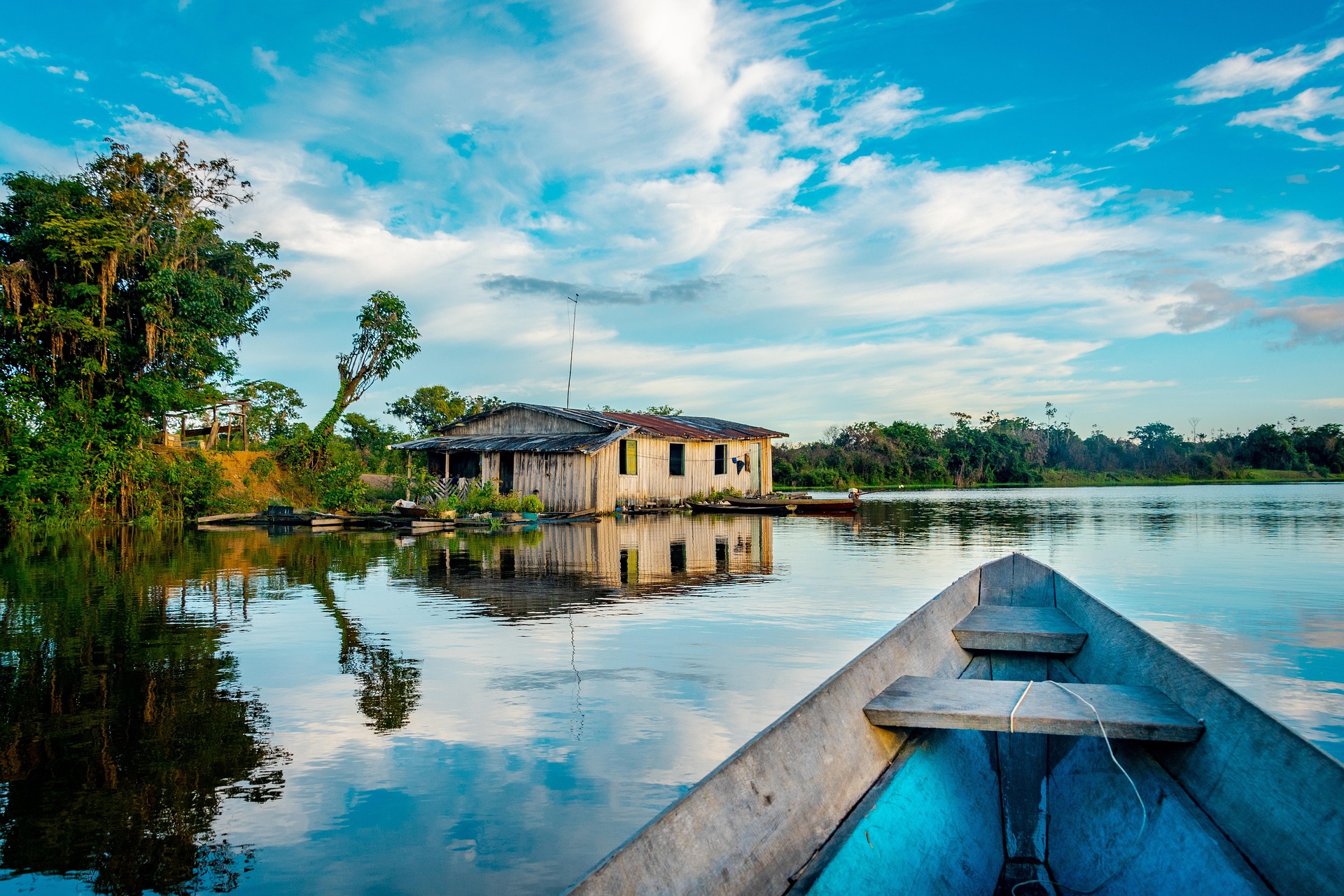
Photo credit: Pixabay
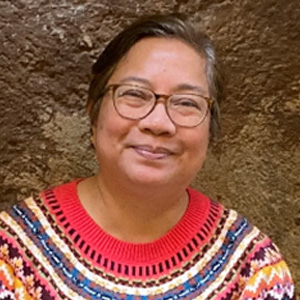
Executive Director, Global Ocean Forum
Miriam Balgos is Executive Director of the Global Ocean Forum and concurrent Project Manager-Capacity Development Specialist of a GEF-funded UNEP project on developing capacity for cross-sectoral management and governance of marine areas beyond national jurisdiction (ABNJ). Across her current and previous positions, Miriam has focused on integrated ocean and coastal management, marine protected areas, ABNJ, and ocean and climate change. Miriam, from the Philippines, co-founded the Virtual Ocean Pavilion with Prof. Carol Turley and Ms. Thecla Keizer of Plymouth Marine Laboratory and has coordinated its organization since its first iteration at COP26 in Glasgow.
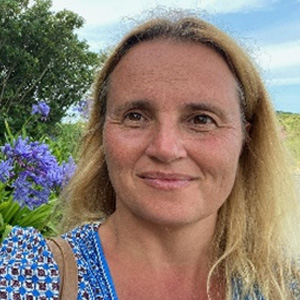
Deputy Head, International Office, Plymouth Marine Laboratory, UK
Thecla Keizer MSc is the Deputy Head of the International Office with Plymouth Marine Laboratory (PML) and serves as the organization's UNFCCC Designated Contact Point. Since 2009, she has been instrumental in PML’s engagement with the UNFCCC. Thecla is also a co-founder and co-organizer of the Virtual Ocean Pavilion, launched at COP26 and now in its fifth consecutive year running. The Pavilion has drawn thousands of participants globally, significantly raising awareness of the ocean and its critical role the climate negotiations.
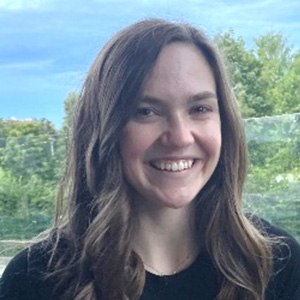
Policy Analyst, Global Ocean Forum
Catie Mitchell is a Policy Analyst with the Global Ocean Forum and has been part of the Virtual Ocean Pavilion team since COP28. She supports the implementation of the Common Oceans Cross-sectoral Project, a GEF-funded UNEP initiative aimed at strengthening cross-sectoral management and governance of marine areas beyond national jurisdiction (ABNJ). Catie holds a Master of Science in Marine Biological Resources from Ghent University through the IMBRSea Erasmus Programme. Her previous research explored the interactions between coral reef ecosystems and fisheries. She transitioned into marine policy after joining the Global Ocean Forum in 2023 and contributes to programs advancing the sustainable management of ABNJ and promoting evidence-based ocean governance.
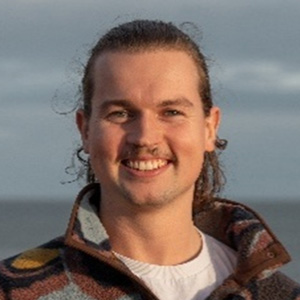
Marine Science Officer, Ocean Generation
Will Steen is the Marine Science Officer for Ocean Generation. He has a master’s degree in marine biology from Southampton and is a PADI/SSI Divemaster. He prefers to be below or on the water, but when forced to be on land he is mostly happy talking about the sea and the things in it. Despite a love for sailing, surfing, SCUBA and sibilance, he is not a strong swimmer without his fins. He justifies this by asking if you have seen a fish swim well without its fins.
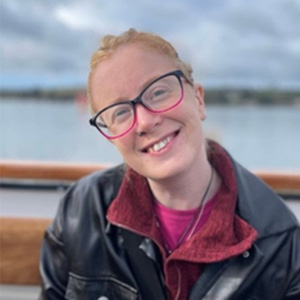
Youth Engagement Lead, Ocean Generation
Dr. Gemma Connell is Youth Engagement Lead at Ocean Generation, a UK Charity and marine conservation NGO. She moved into Ocean conservation and science communication after 15 years in the performing arts industry. She has a PhD in Dance and now facilitates workshops, develops educational programmes for young people, engages in research and develops resources using Ocean Generation's brand of Ocean Intelligence across the UK and beyond.
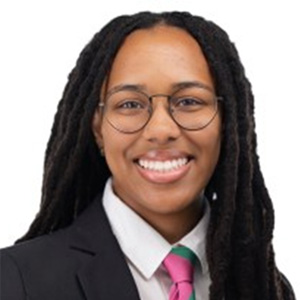
Dr. Biliana Cicin-Sain Ocean and Climate Change Intern, Global Ocean Forum
Erinn Bell is a second-year Master’s student in the School of Marine Science and Policy at the University of Delaware and the Global Ocean Forum’s (GOF) 2025 Dr. Biliana Cicin-Sain Ocean and Climate Change Intern. She is currently studying Marine Policy, focusing on marine mammal strandings and policy implementation along the U.S. East Coast. In her role with the GOF, she is providing substantive and administrative support with the development of the Report on Assessing Progress on Ocean and Climate Action: 2024-2025 and the COP30 Virtual Ocean Pavilion. Erinn is passionate about the intersection of marine science, conservation, and policy.
Joint Monmouth University Urban Coast Institute – Global Ocean Forum Intern
Siena is a senior at Monmouth University, pursuing a B.S. in Marine & Environmental Biology and Policy and minoring in Geographic Information Systems (GIS). She works for the Global Ocean Forum and the Urban Coast Institute as research assistant, contributing to projects advancing sustainable ocean governance and marine policy. She also works as an undergraduate research assistant analyzing environmental DNA (eDNA) samples from oceanic and estuarine environments for a project on “Investigating eDNA as a Tool for Monitoring the Lower Hudson–Raritan Estuary”. Additionally, she serves as President of Monmouth’s Chapter of Love Blue, a student-run, externally funded nonprofit that organizes beach cleanups and engages students in hands-on ocean stewardship. She is passionate about ocean sustainability, policy, marine science, and community action, and is driven to protect and restore our blue planet.
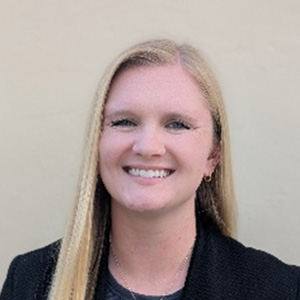
Middlebury Institute of International Studies
McKenzie Ploen is a Master’s candidate in Environmental Policy & Management at the Middlebury Institute of International Studies, specializing in Ocean & Coastal Resource Management. She has worked with the California Marine Sanctuary Foundation’s Protecting Blue Whales & Blue Skies program, supporting vessel speed reduction and marine biodiversity protection along the California coast. McKenzie also serves as Grants & Fundraising Coordinator for the Surfrider Foundation's Monterey County Chapter, helping build partnerships to advance coastal conservation and community engagement. For COP30, she contributed to the Virtual Ocean Pavilion by collating ocean-focused events to strengthen collaboration across the global ocean community.